Student Game Design Challenge & Learning Ecosystem

created for

Game-A-Thon was more than a student competition, it was a multi-channel educational service designed to help students explore mathematics through game design. I designed the complete ecosystem behind the program, connecting curriculum, workshops, digital submission, public exhibitions, educator enablement, community engagement, and partnerships into a repeatable annual experience. I designed the complete educational service ecosystem behind the program, defining the participation model, educator experience, learning resources, digital pathways, community touchpoints, operational workflows, and growth model that enabled the initiative to scale across schools and events nationwide.

My Role: Program Founder + Service Designer + Experience Strategist
Timeframe: Multi-year initiative
SERVICE DESIGN
SYSTEMS DESIGN

0→1 STRATEGY
ECOSYSTEM DESIGN
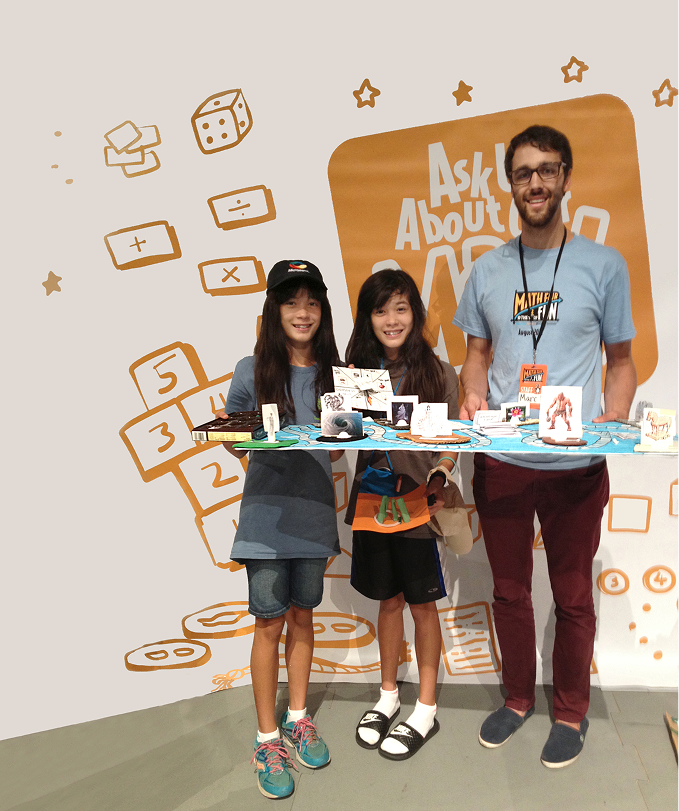
Image of designer standing with first-year participants of the Game-A-Thon challenge' debut year.
THE CHALLENGE
Design a scalable learning experience that transformed students from math learners into creators.
MIND Research Institute identified an opportunity to create an educational challenge where students could design and build their own math-based games. The challenge was not simply game creation, it required designing a complete service system needed to inspire participation, support educators, enable creation, and sustain engagement year after year. Starting from the initial concept, I designed the full service experience architecture connecting:

Discover → Learn → Design → Build → Document → Submit → Showcase → Advocate

This required aligning students, educators, curriculum resources, workshops, digital submission tools, public events, sponsors, and community partners into a repeatable educational service ecosystem.
DEFINING THE SERVICE STRATEGY
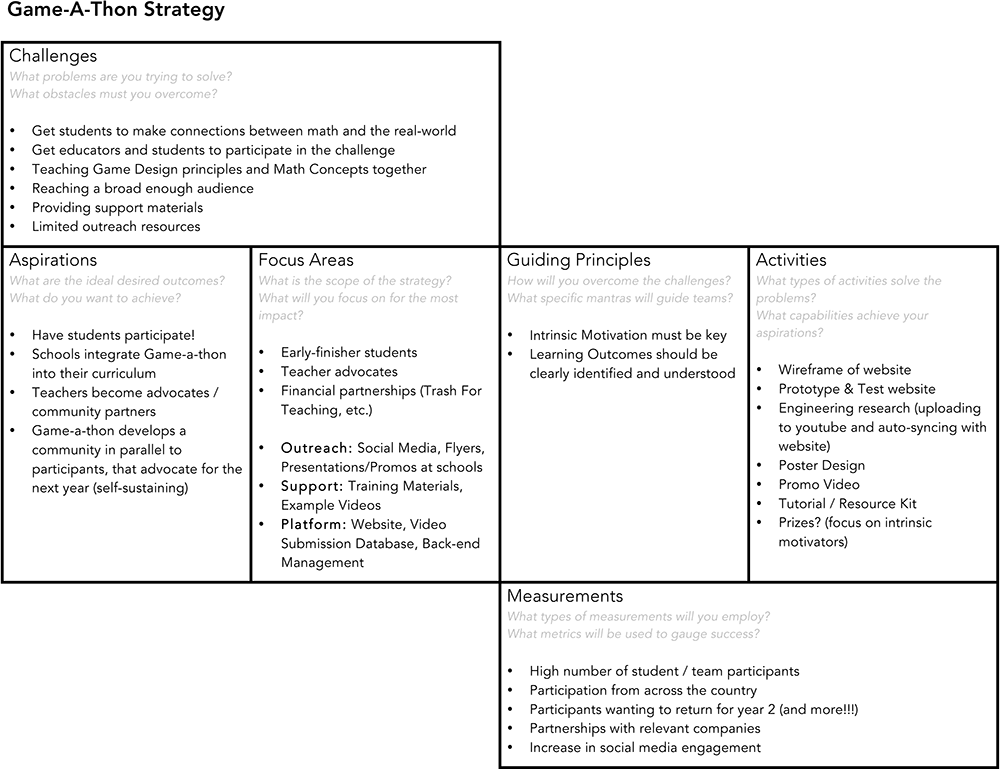
A strategic blueprint aligned learning goals, stakeholder needs, participation workflows, and long-term program growth.
I designed the service architecture behind Game-A-Thon, defining the participants, workflows, touchpoints, and operational systems needed to support the student experience. Rather than beginning with individual activities, I first defined the participation model, learning objectives, operational strategy, and success metrics. Rapid prototyping, usability testing, live participant observation, and annual retrospectives helped refine the website, learning resources, and program experience as the initiative evolved. This blueprint established how the program would attract participants, support educators, and evolve into a sustainable annual initiative.
Image of a strategy document, with areas for Challenges, Aspirations, Focus Areas, Guiding Principles, Activities, and Measurements.
DEFINING THE SERVICE ECOSYSTEM
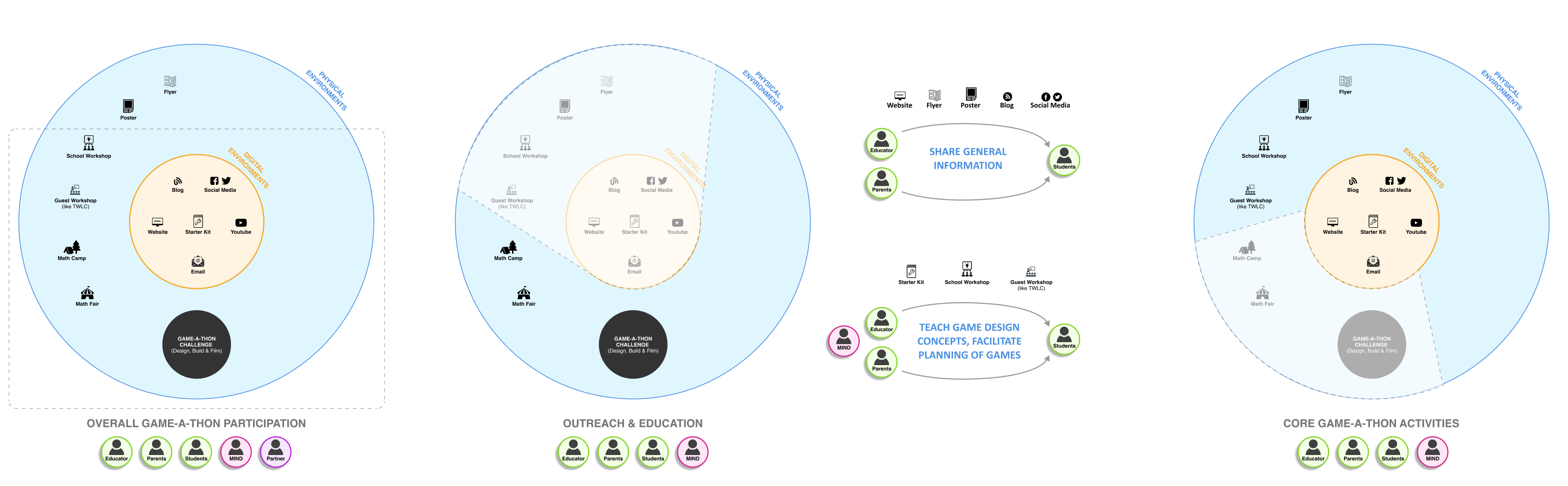
Research helped define an integrated ecosystem connecting classrooms, digital platforms, workshops, and public events.
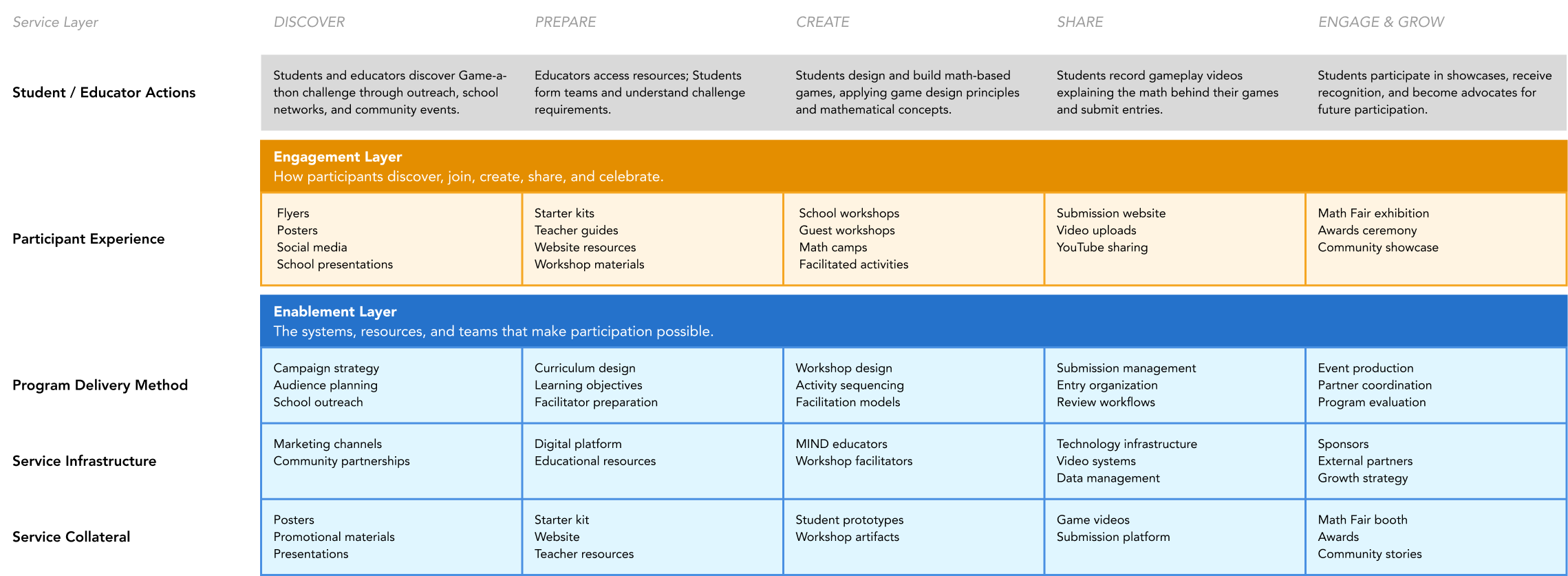
I mapped the relationships between students, educators, parents, community partners, physical experiences, and digital touchpoints to ensure every interaction reinforced participation and learning. Service blueprints and ecosystem maps defined how outreach, facilitation, submission, recognition, and advocacy worked together as a unified educational service.
Digital Experience
8 user interviews
Observational usability studies of the Game-A-Thon website tested messaging, navigation, video submission, and support-material downloads.
Educational Experience
30 school representative surveys + 3 user interviews
Surveys and interviews tested the clarity and usefulness of the Teacher and Parent Guides and the strategy for integrating Game-A-Thon into school curriculum.
Program Validation
Ongoing testing
Participant observation, usability testing, and annual retrospectives validated the service strategy and informed refinements across subsequent cycles.
Image of a service design blueprint. Images from a service ecoystem map.
DEFINING THE SERVICE MODEL
A scalable annual service that connected outreach, learning, participation, and community celebration.
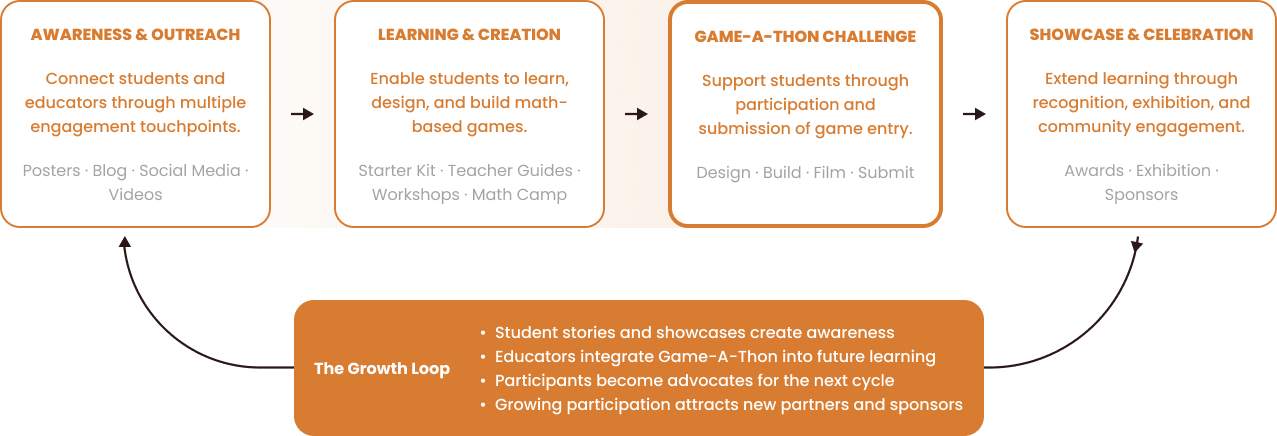
Game-A-Thon was designed as an annual educational engagement system. A student game-design challenge served as the core experience, supported by outreach, curriculum integration, digital submission, public showcase, and advocacy loops that strengthened each future cycle. Designing the program as an annual loop, not a one-time competition, allowed each cycle to generate participation, recognition, advocacy, and partner engagement for the next.
Image of a diagram showing Awareness & Outreach, an arrow connecting to Learning & Creation, an arrow connecting to Game-A-Thon Challenge, an arrow connecting to Showcae & Celebration, and an arrow labeled The Growth Loop, cycling back to the beginning.
OUTREACH EXPERIENCE
Campaign materials introduced the program and motivated schools to participate.
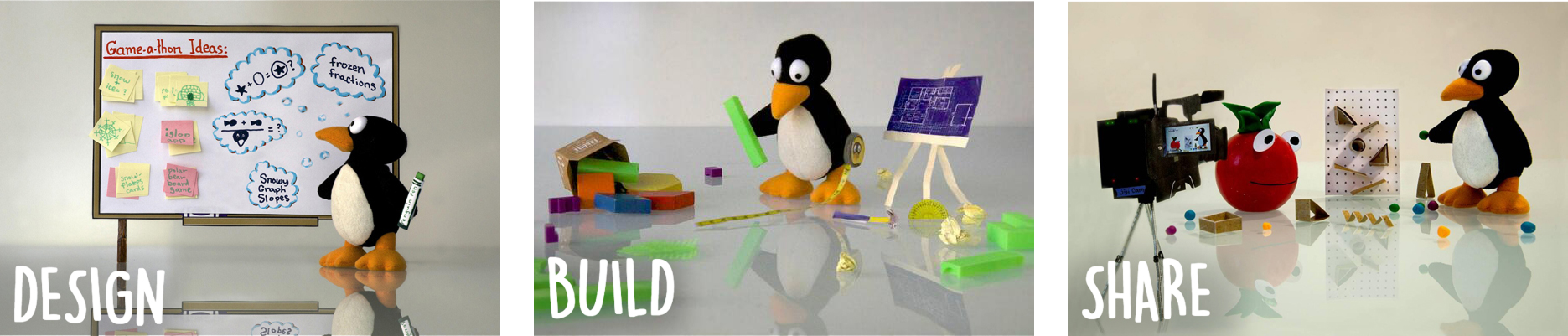
I designed the visual identity, promotional motion graphics, educational videos, blog content, and communication materials that explained the challenge, showcased student work, and generated awareness across schools and partner organizations.
Images of a 3 social media banners, respectively labeled Design, Build, Share, each with a stop-motion-designed setup depicting the action verb listed.

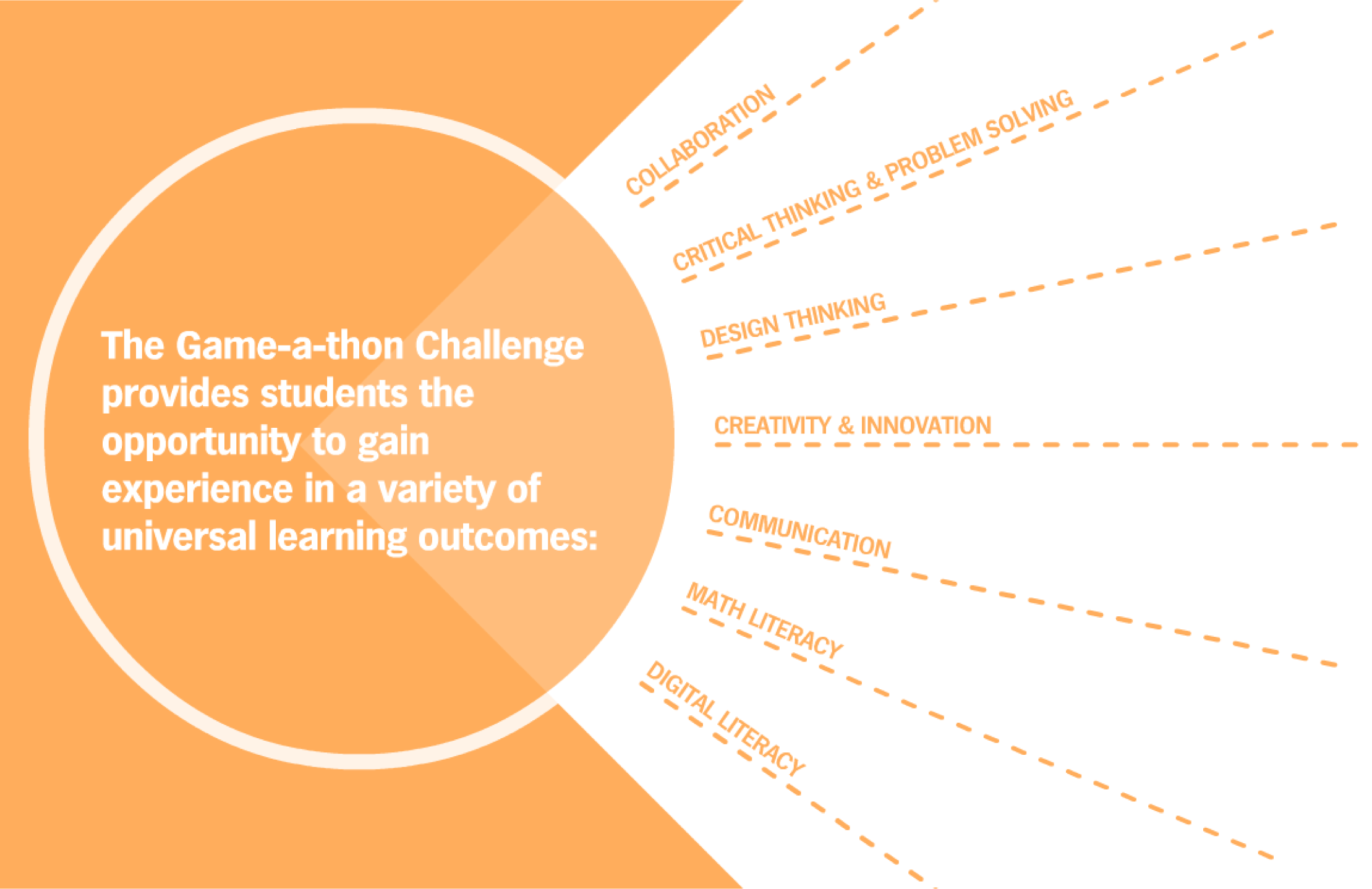
Image of a diagram describing the Game-A-Thon having universal learning outcomes with spokes sticking out labeled with each of the learning outcomes: Collaboration, Critical Thinking & Problem Solving, Design Thinking, Creativity & Innovation, Communication, Math Literacy, Digital Literacy.
EDUCATION EXPERIENCE
Workshops and learning resources helped students transform mathematical concepts into original games.
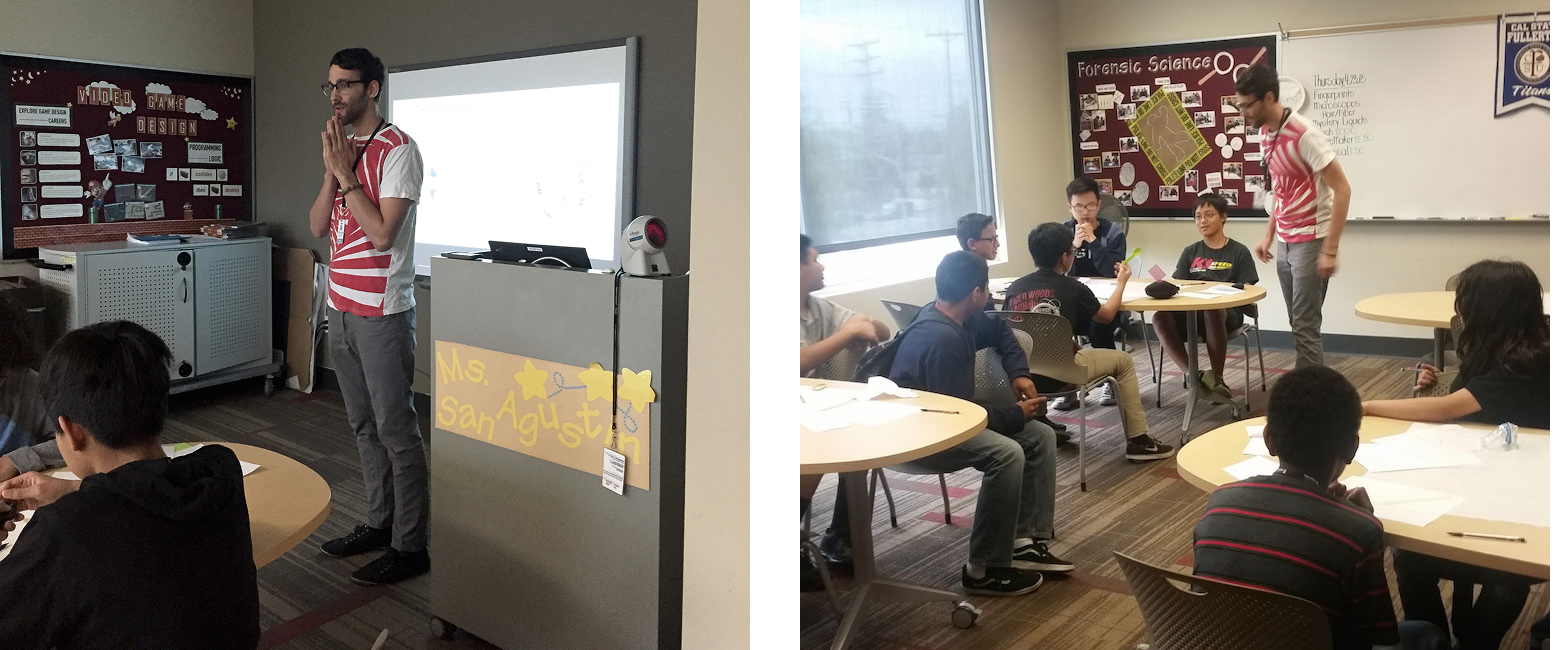
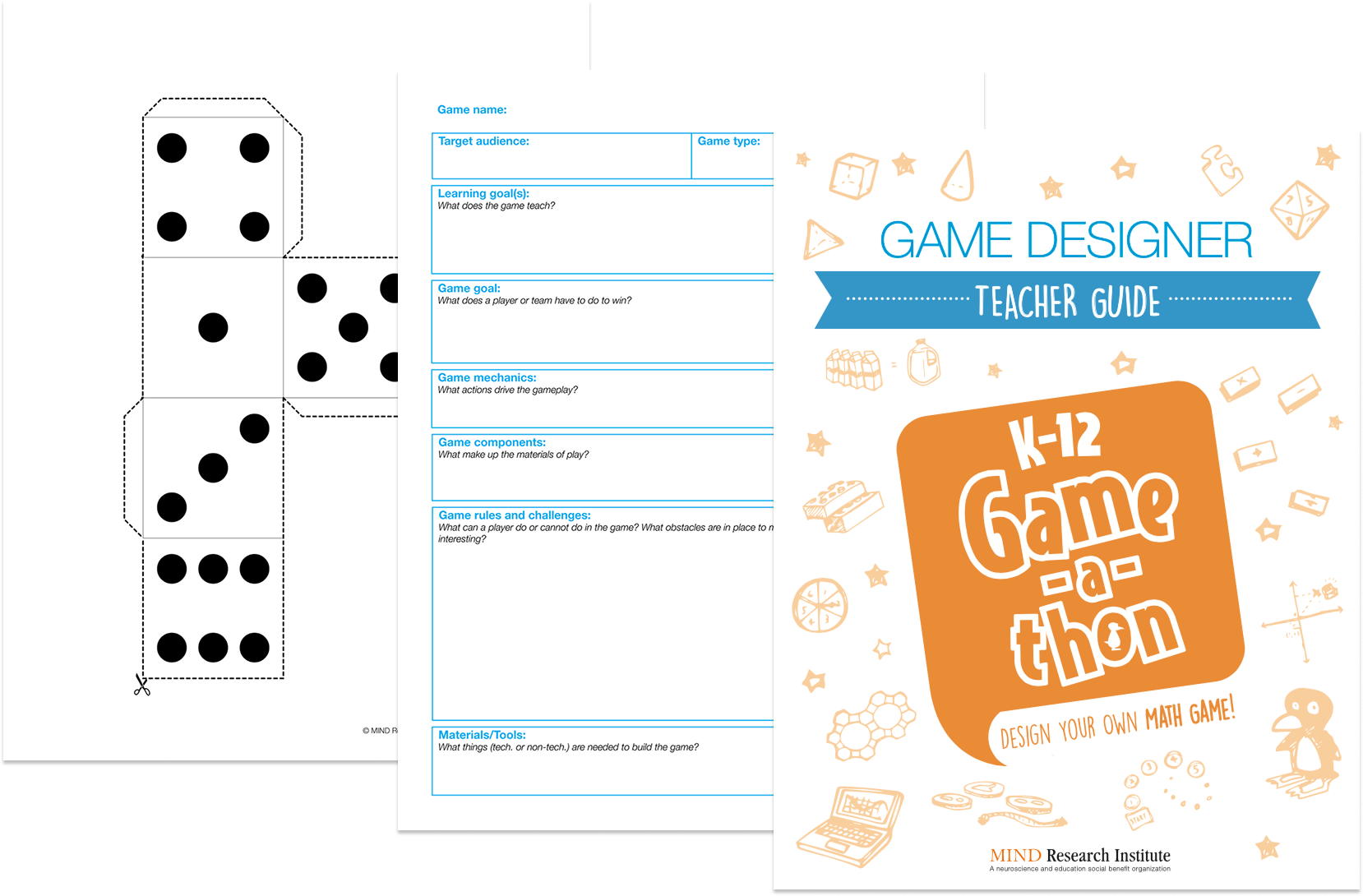
I designed and facilitated hands-on workshops where students explored mathematics through designing, prototyping, and testing their own games. I also created facilitator guides, classroom activities, and learning resources that enabled educators and after-school programs to independently integrate Game-A-Thon into their curriculum.
Images of designer leading a Game Design workshop in a middle school classroom.
Image spread of pages from a Game-A-Thon-branded Game Designer Teacher Guide.
PARTICIPATION EXPERIENCE
The annual showcase transformed classroom projects into a public celebration of learning and a recruitment engine for future participation.
I designed the end-to-end participant experience from game submission through public recognition, creating an awards program and exhibition that celebrated student creativity while reinforcing the value of mathematical thinking. Winning teams were invited to present their games at MIND Research Institute's annual Math Fair, where more than 4,200 attendees explored student projects, met participants, and engaged with hands-on game experiences alongside sponsors and community partners.
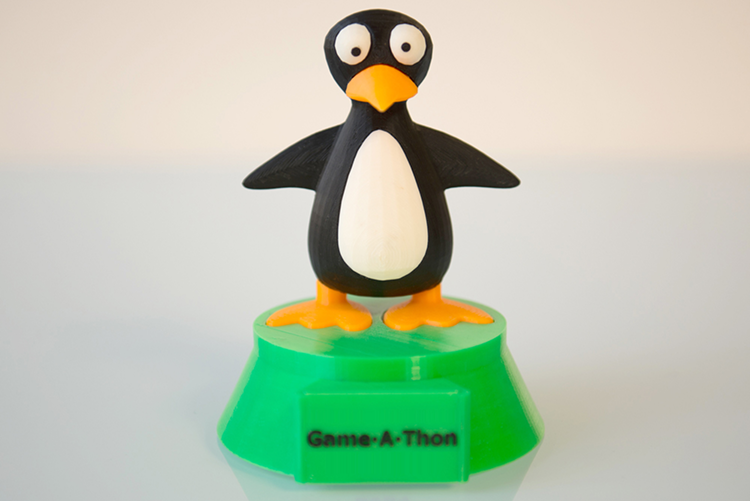
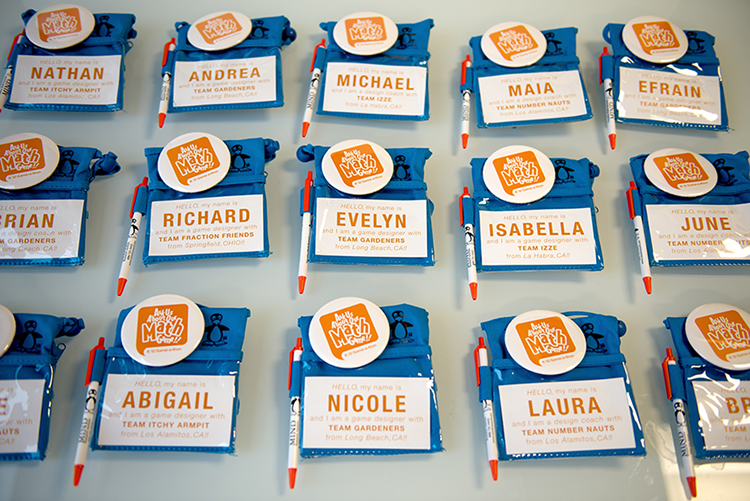
Image of Game-A-Thon award for the first place winner. Image of Game-A-Thon name badges for participants.

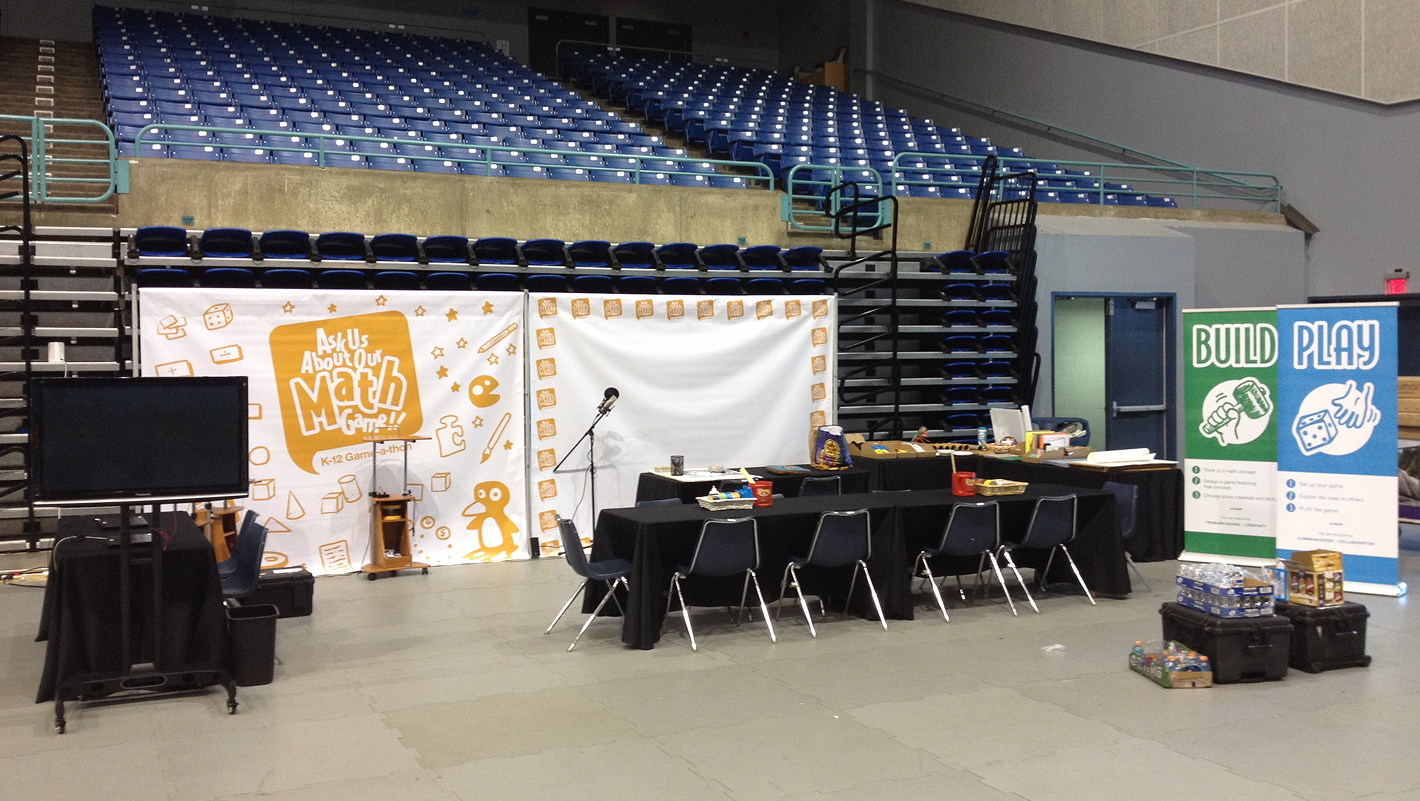
Image of Game-A-Thon booth at the Math Fair.

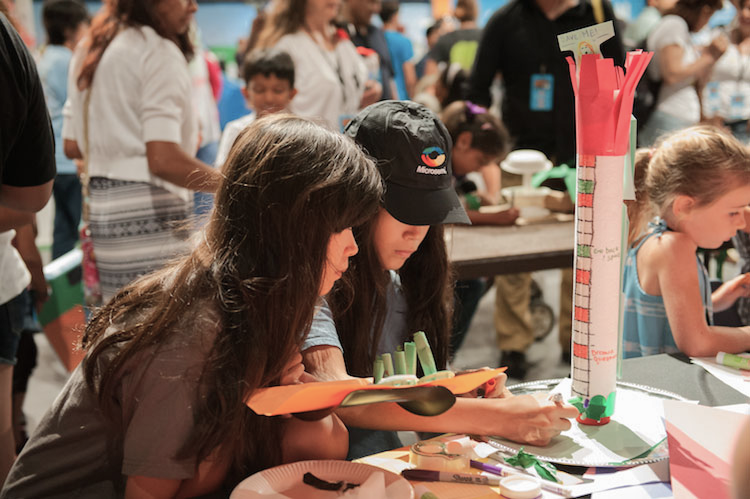
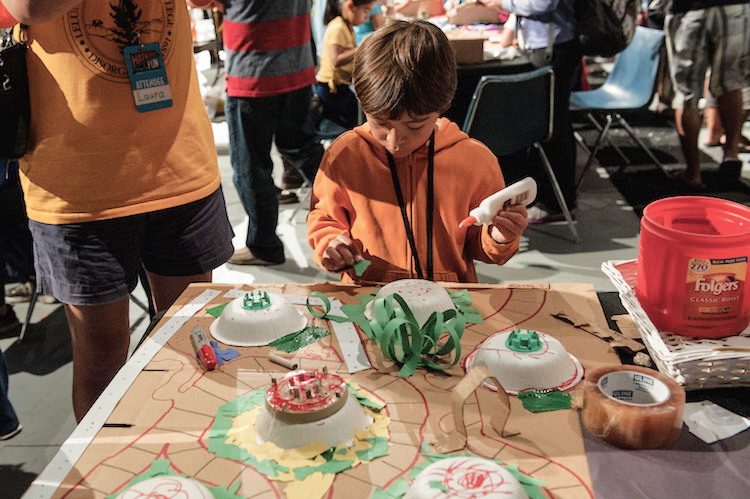
Image of two student participants designing a game at the Game-A-Thon booth. Image of a student participant designing a game at the Game-A-Thon booth.
IMPACT
Built a scalable educational service that expanded participation, partnerships, and long-term program growth.
I established a repeatable educational service ecosystem that expanded participation, partnerships, and long-term program growth. Participation grew from 15 to 99 teams in three years, while expanded educator adoption, national outreach, and public showcases increased sponsorship support and led to partnerships with Disney and Staples.
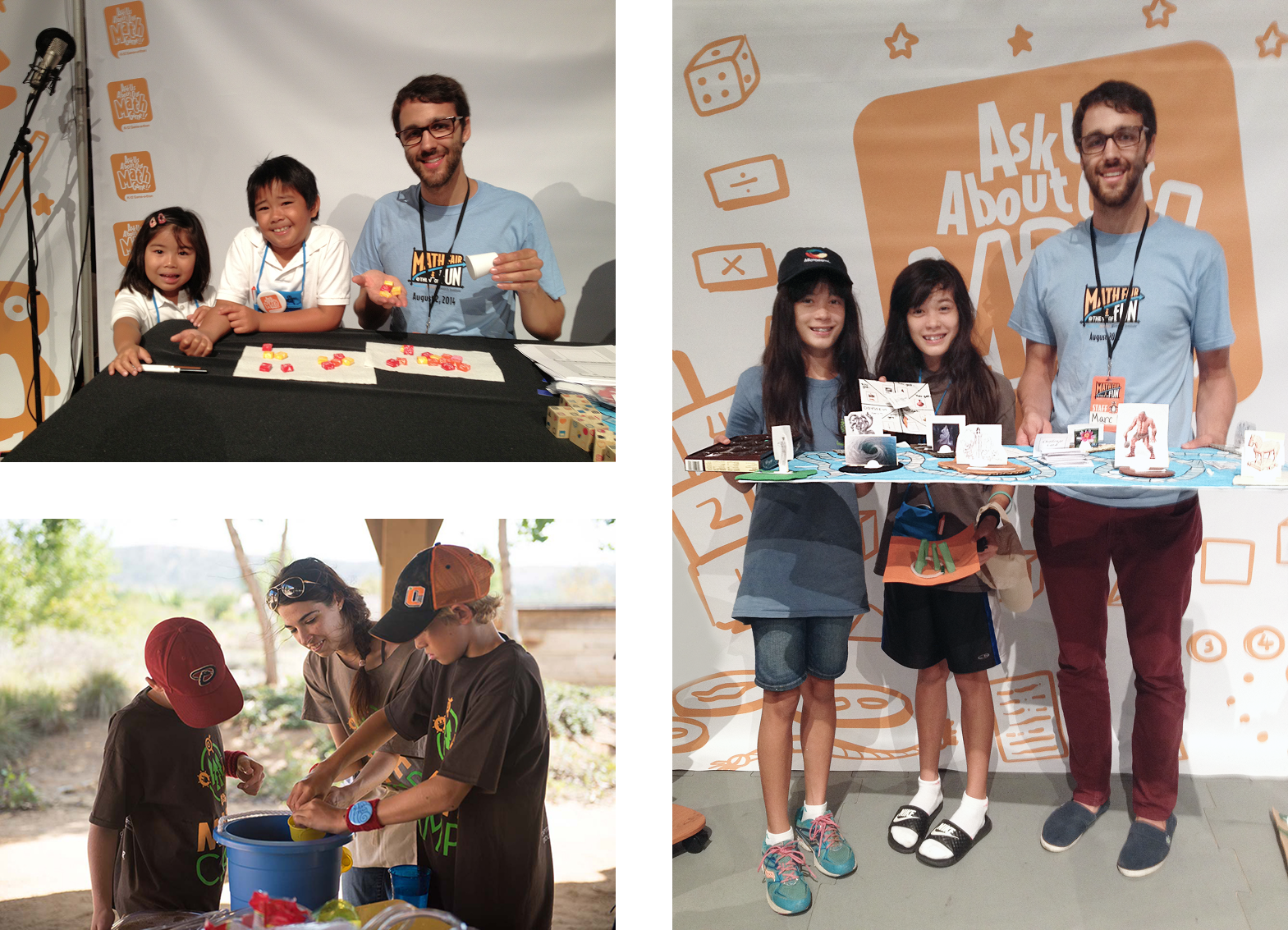
Collage of images showing the designer standing with Game-A-Thon participant winners and facilitating a Game-A-Thon workshop at the second year Math Camp.s
END OF CASE STUDY SUMMARY
Full case study available with additional research and design documentation.